
Flawed Dharma
Others take their flaws as fate; Lin Que mends every gap into a road.
A new-style mortal xianxia of Dao-mending and case-solving. Lin Que, a low-rung rogue cultivator, can see the flaws in all techniques. He only meant to scrape by mending broken methods for spirit stones—until a rift case reveals that what's flawed isn't the techniques, but Heaven's Dao itself.
Latest Chapters
View all →Key Characters
Souls adrift in the depths of the market district
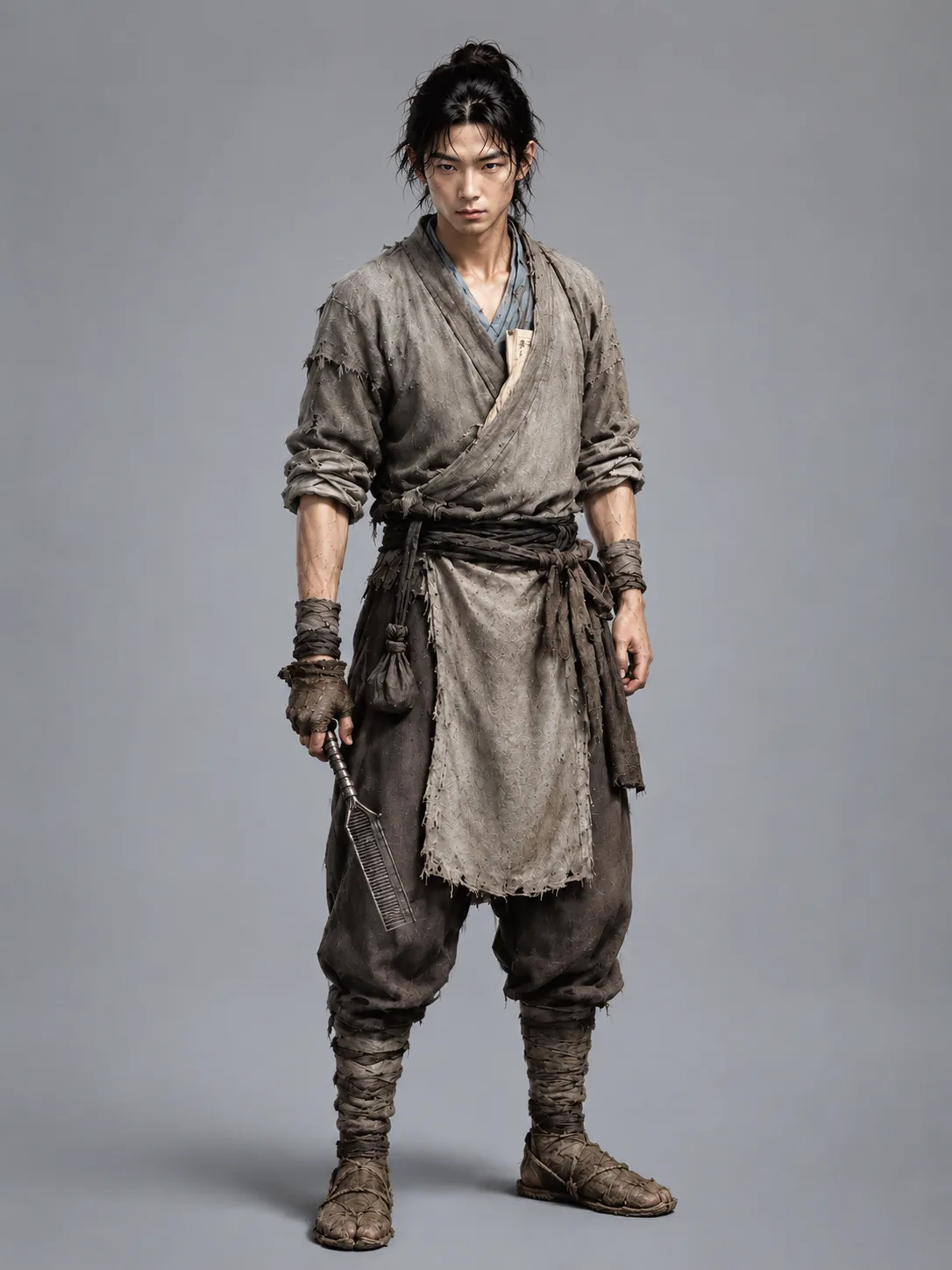 青岐坊市 · 散修
An apothecary boy at the Baicao pharmacy in Qingqi Bazaar, a low-rung rogue cultivator at the third layer of Qi-Condensation. He has no prodigy's talent—only a pair of eyes that see 'the flaw': one glance and he knows what's wrong with another's technique.
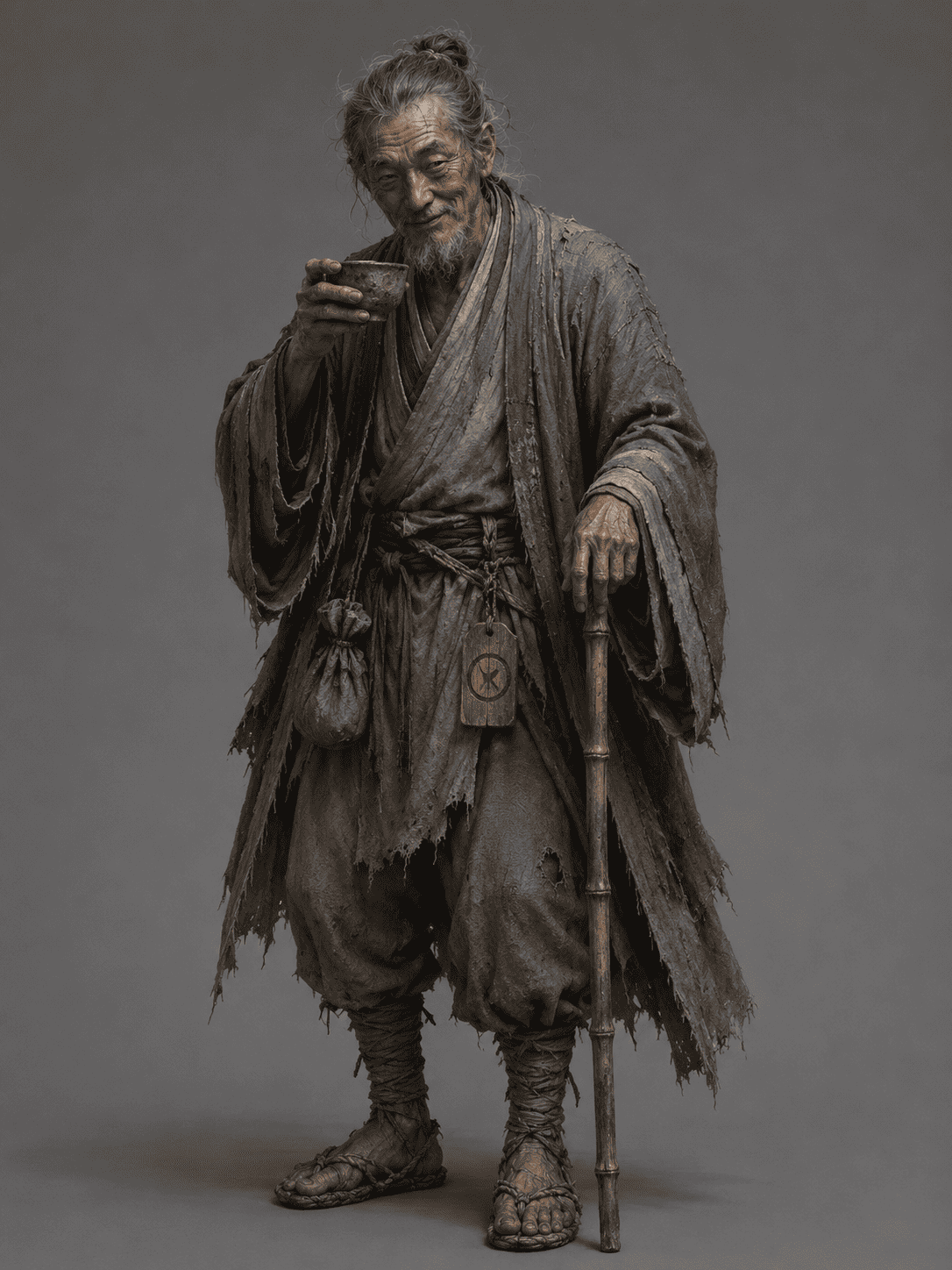 青岐坊市 · 散修
An old rogue cultivator who has worked Qingqi Bazaar for 30 years, nicknamed 'Nine Lives'—he has walked through fire nine times and survived all nine. There's no rule of the bazaar's underbelly he doesn't know.
 許家 · 符修
The direct-line daughter of the Xu family, a talisman-scribing house come down in the world, and a talisman cultivator herself. The family’s Green Seal-Script Talisman has a flaw in its last stroke, and the market town says she has wrecked the family name — but nothing in her has caved in.
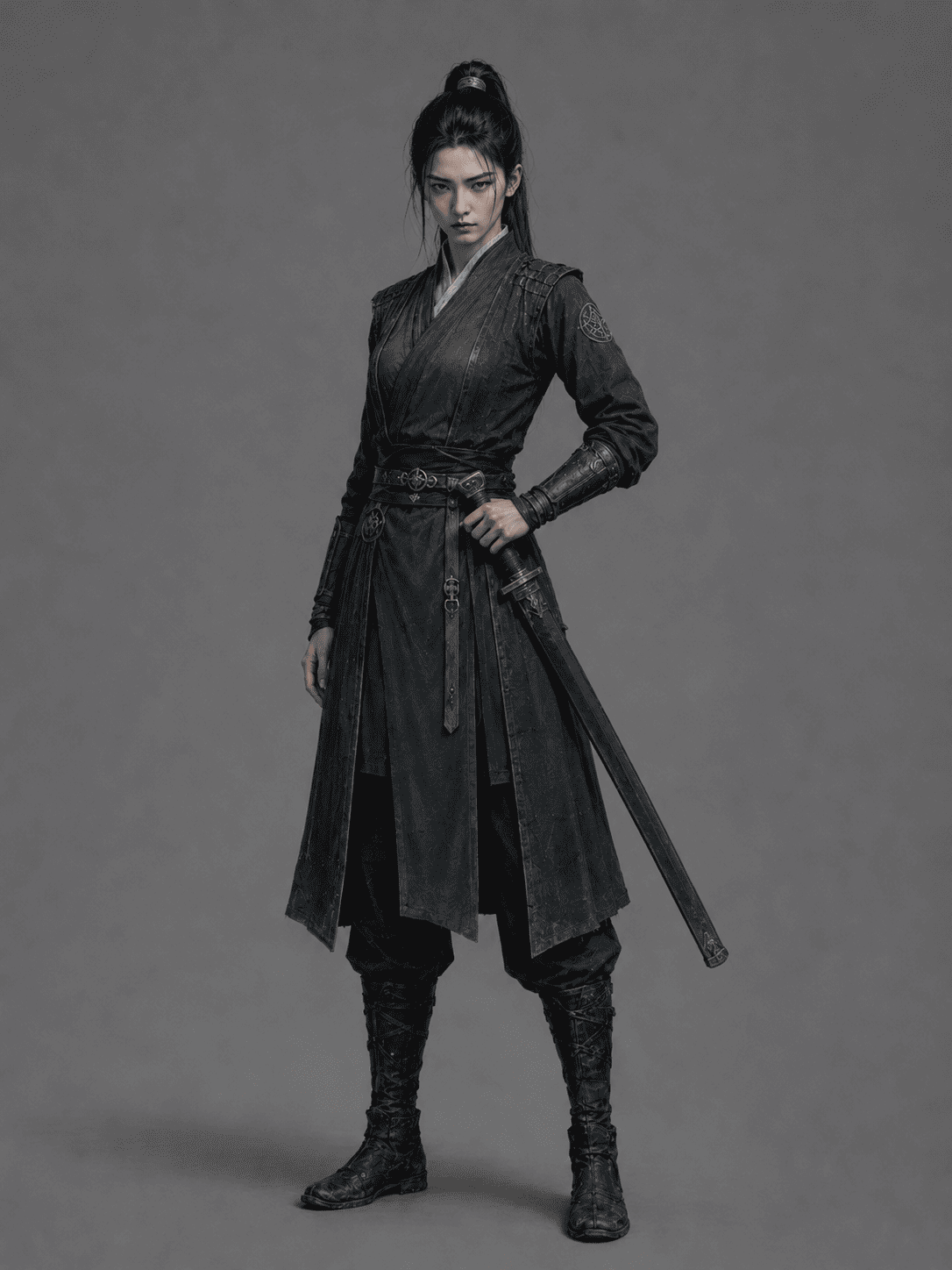 玄照門 · 執法處
An enforcement disciple of the Xuanzhao Sect’s outer gate, handling the strange business in the market town that nobody can explain and the authorities cannot keep down. Cold and deeply suspicious, keen and chill as a drawn sword.
About This Work
Flawed Dharma is a long-form serialized xianxia in the mortal's-path tradition. Its protagonist Lin Que comes from the bottom rung of a market town. Able to see the flaw-lines running through all dharma, he mends broken methods, salvages ruined elixirs, and unravels rift-related cases — working his way from a rogue cultivator's bare survival toward the road of mending heaven.
When the story begins, Lin Que has no spiritual root, no master, and no backing. He lives on the lowest tier of the market town, scraping by on repairs to the broken methods and spoiled elixirs nobody else wants. The one thing that sets him apart is that he can see the flaw-lines — hairline fractures present in every cultivation artifact and technique from the moment it was forged. Most cultivators never notice them in a lifetime, and only pay for them during some later deviation. The ability will not launch him to immortality overnight. What it does is make him the one person in the market town who truly understands why things break.
This work deliberately avoids the prodigy route. Every advance Lin Que makes has to be converted into spirit stones, favors owed, and risk taken: how much material he burns to mend a single broken talisman, how much backlash he courts to salvage a ruined cauldron, how many escape routes he stakes to take on a rift case. Cultivation is not a number ticking upward — it is a repeated exercise in computing a winnable margin out of insufficient resources. Readers finish an episode remembering how he got through that one, not which tier he reached.
Past the midpoint, the story pushes from market-town survival into the outer sects and their rift cases. On the surface these are deaths, disappearances, and exploding cauldrons. Dig in, and it turns out the same technique circulating through different sects carries its flaw in exactly the same place — someone built the gap in at the source. Monopolized techniques, sects that leave flaws deliberately, elixir-menders treated as consumables: the structural rot surfaces one layer at a time from beneath the casework. A rogue cultivator who only wanted to stay alive is forced to start asking who made the dharma flawed.
Later arcs turn toward the Heaven-Mending Bureau, the Heavenly Dao Alliance, and the truth of the Dao's own imperfection. "Mending heaven" is not a figure of speech: if the Heavenly Dao itself carries a gap, then the entire order of cultivation is either patching it or exploiting it. The tagline states the theme plainly — where others treat their flaws as fate, Lin Que mends the gap into a road. The question it asks is not whether a mortal can ascend, but what someone who can see the gaps ought to do: suture them, or tear them wider.
Stylistically, the work pushes the mythic register down and keeps human weight in the frame. The heat of the elixir room, the price of goods in the market town, the exclusions and trades among outer-sect disciples, a case file pressed flat by someone higher up — all of it written straight. Fights are not won by tier advantage but by reading the opponent's opening and counting exactly how many options remain, and winning still costs something. Every episode ends with something concrete: a fully restored talisman, one chance to enter the archive hall, or the loss of someone who could have been trusted.
You can simply read the main episodes in order. The site also carries a universe codex (worldview, technique glossary, factions, rift records), character files, and observation reports, unlocking progressively with your reading position so nothing gets spoiled early. The work is published in Traditional Chinese, Simplified Chinese, English, Japanese, and Korean. All characters, sects, techniques, and cases herein are works of fiction, and bear no relation to any real person, group, or event.
「Others call their flaws fate. Lin Que turns every crack into a road.」
Author's Notes / Realm Rumors
Story notes, worldbuilding supplements & update announcements
Market Hearsay | Half a Page Left by a Qi-Deviated Rogue Cultivator: "It's Not Your Aptitude"
A copied sheet passing around the market, said to be taken from half a page a qi-deviated rogue cultivator left behind. "It's not your aptitude. The art in your hands had a piece dug out of it from the start."
Addendum | Why the Market's Rogue Cultivators Always Stall — A Few Explanations No One Says Aloud
Why do rogue cultivators always stall? The market keeps three explanations. The first two are said out loud; for the third, a man checks that nobody is standing near him: the art itself was left flawed from the start.
Strange Tale|A Torn Pill-Recipe Page, with an Annotation in the Margin No One Recognizes
A torn pill-recipe page found in a pile of discarded pills. The recipe itself is unremarkable, yet in the margin there's a single small-print annotation, in handwriting different from the recipe's, and no one knows what it means.