
How She Asks
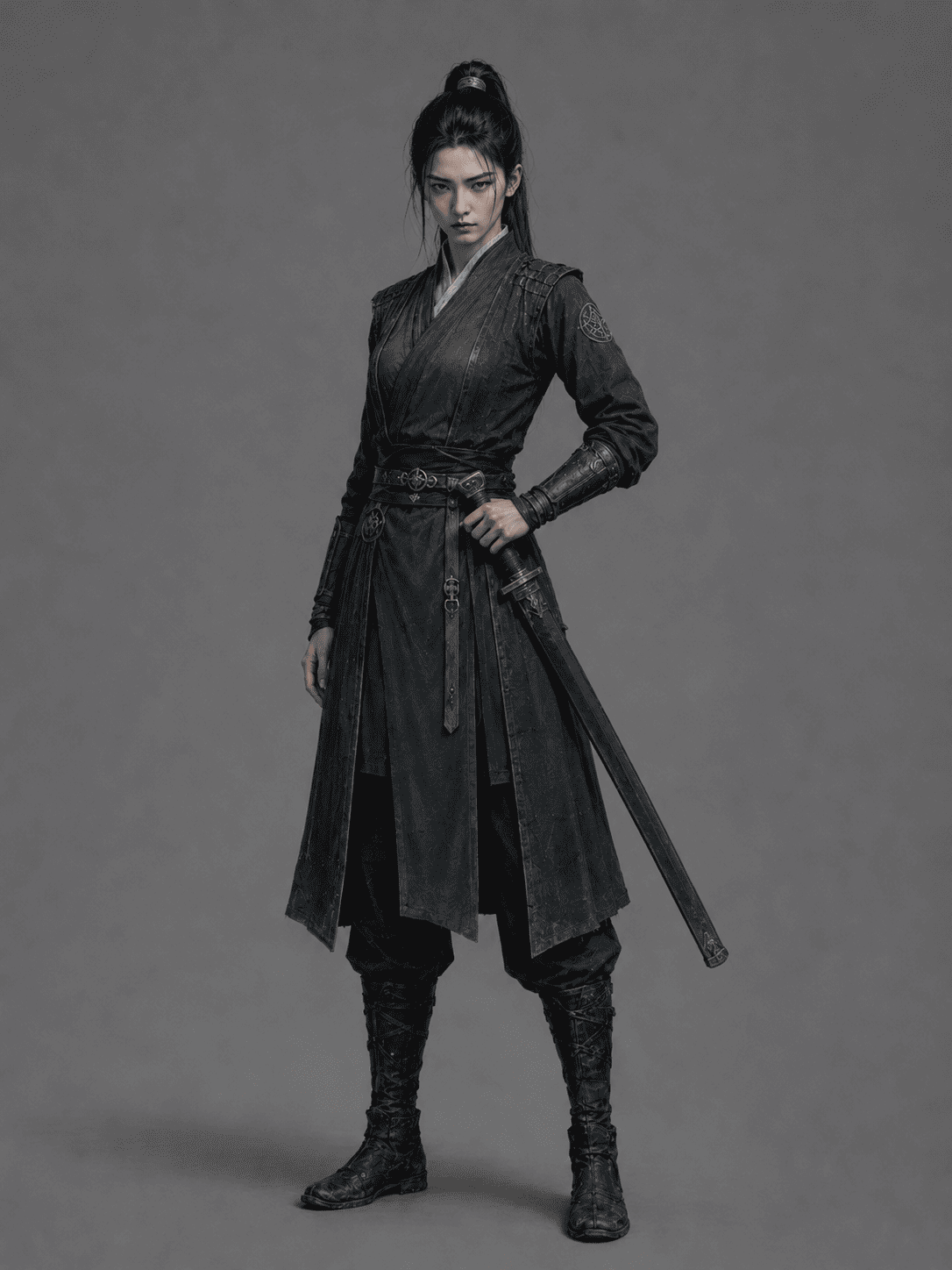
The post of an enforcement disciple sounds impressive; in practice it is the least rewarding job the sect has. First on the scene when something happens. If the case is solved, the credit goes elsewhere. If it isn't, the responsibility stays with her. She has held the post for years without requesting a transfer.
She has a fixed method for questioning. She lets the other person finish without interrupting, then asks the whole thing again from the top. Where the two accounts fail to match, she writes it down and does not call it out on the spot.
People in the bazaar are in the habit of calling strange events coincidences. Her habit runs the other way: a coincidence is a strange event she has not finished investigating.
A sword at her waist, seldom drawn. What she uses far more often is a thin notebook and a pen worn blunt—toward the back pages, the handwriting gets smaller and smaller.
Most of her cases end without a conclusion. Eight in ten strange happenings in the bazaar run their thread out halfway, and sect rules say an unresolved case gets filed. Her files are thicker than anyone else's, because she writes down the places where the thread broke as well.
Her colleagues consider this a waste of ink. Her position is that where a line breaks is itself a clue—it simply cannot be joined up yet.